

Susunia Hill
শুশুনিয়া পাহাড়
A low, walkable hill with a perennial spring, an early inscription and stone-carving villages at its foot — close enough to Bankura town to be a morning, not an expedition.
Is it right for you?
What you will see
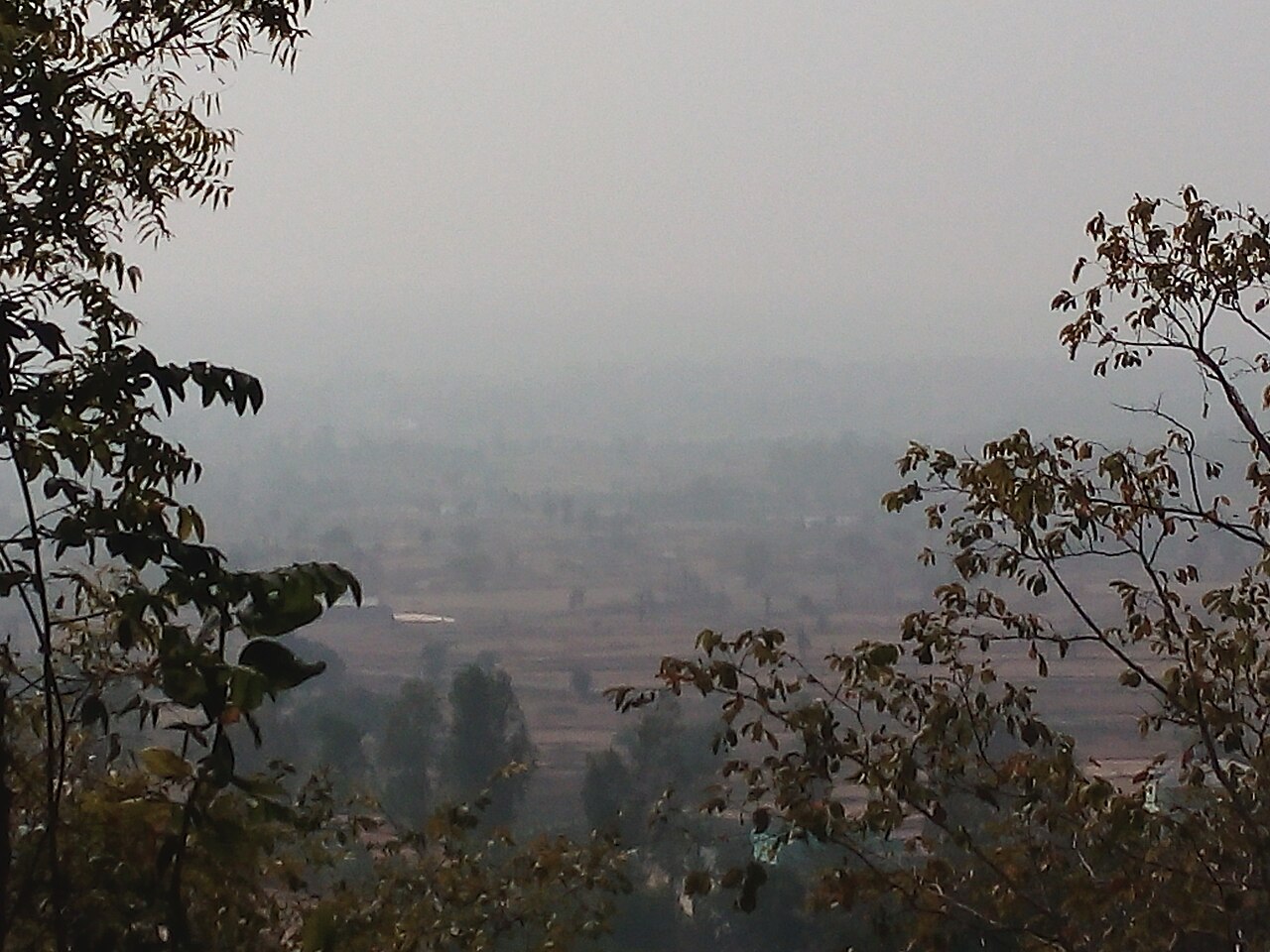
Susunia is a modest hill by Himalayan standards and that is exactly its use: it is a place you can walk into without preparation. A metalled road brings you to the base, where a spring runs year-round into a masonry tank and the ground stays cool under old trees.
The hill carries an early Sanskrit rock inscription associated with the Pushkarana ruler Chandravarman, which is why the site appears in archaeological literature far out of proportion to its size. It is also a long-standing training ground for rock climbing, and you may find a course in progress on the west face.
At the foot of the hill, stone carvers work the local stone into mortars, plates and figures. This is a working craft, not a display. Ask before photographing a workshop.
Suggested visitor sequence
- Park at the base and walk to the spring first — it is the coolest part of the site and busiest by late morning.
- Follow the marked path toward the inscription area; the surface changes from earth to bare rock.
- Decide at the rock face whether to continue. Turning back here is a normal outcome, not a failure.
- Come down through the carvers’ area and allow twenty minutes there.
Month by month
- November – February — The reliable window. Cool mornings, clear light on the ridge, comfortable climbing.
- March — Palash and simul colour the approach in most years; heat builds by late morning.
- May – June — Avoid midday. Exposed rock, no shade on the upper slope.
- July – September — Green and dramatic, but rock surfaces are slippery. Not the season for the climb with children.
How to reach
Road and last-mile reality
The approach from Bankura town is a sealed road and comfortable in an ordinary car.
Parking, toilets, water, food, network
Safety and responsible travel
Cost
Local story and context
Susunia sits in the district’s memory as a place of water and stone. The spring gives the hill its practical importance in a landscape where surface water is seasonal; the inscription gives it a documented past older than most of what surrounds it. The carvers below are the living end of that same relationship with stone. If you have one hour here, spend it slowly rather than climbing fast.
Sources and verification log
- Bankura district — tourist places — Official listing. Checked 10 September 2026.
- Bankura district — wildlife hotspots — Regional nature context. Checked 10 September 2026.
- Wikimedia Commons — Susunia Hill — Photo research only; each file licence checked separately.
Report an update
If a fee, a timing or a road has changed, tell us. Submissions are reviewed by an editor; we never publish user-submitted phone numbers or allegations automatically.
Send for reviewPrototype form — nothing is submitted from this page yet.