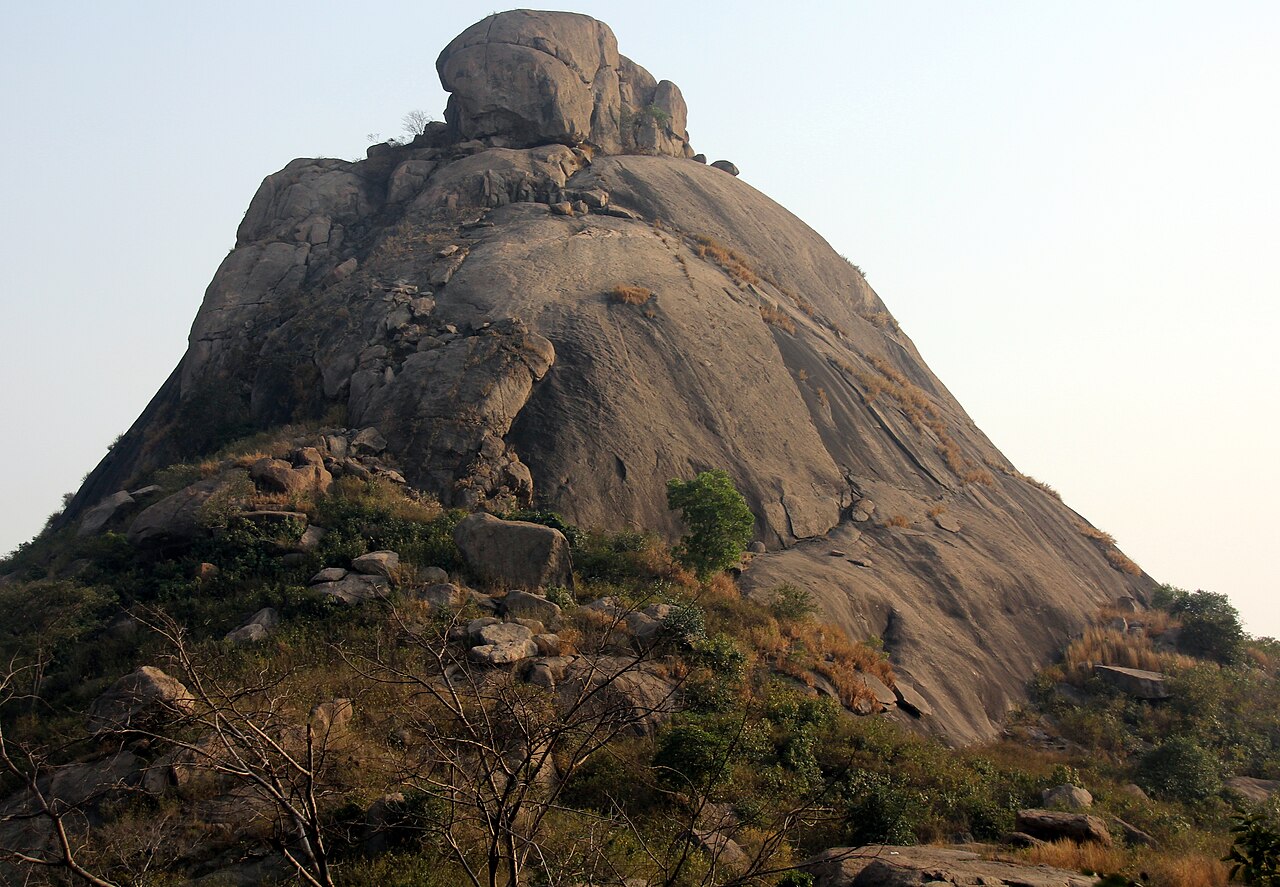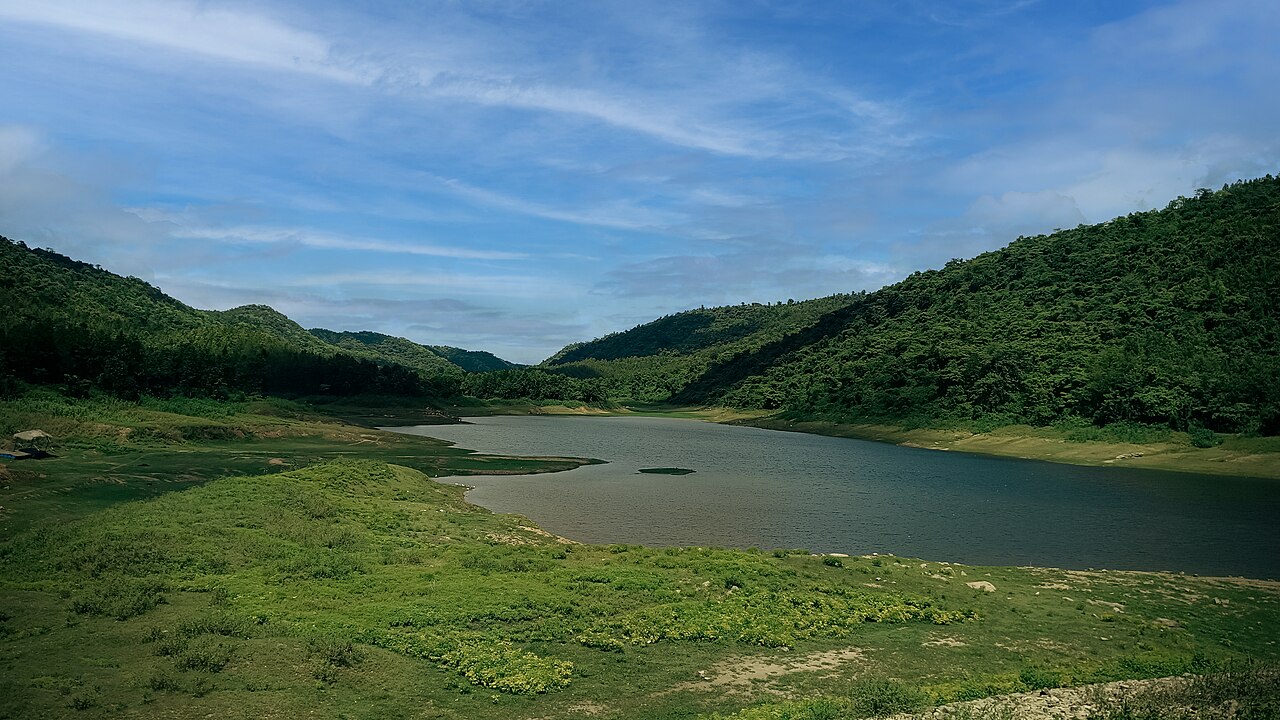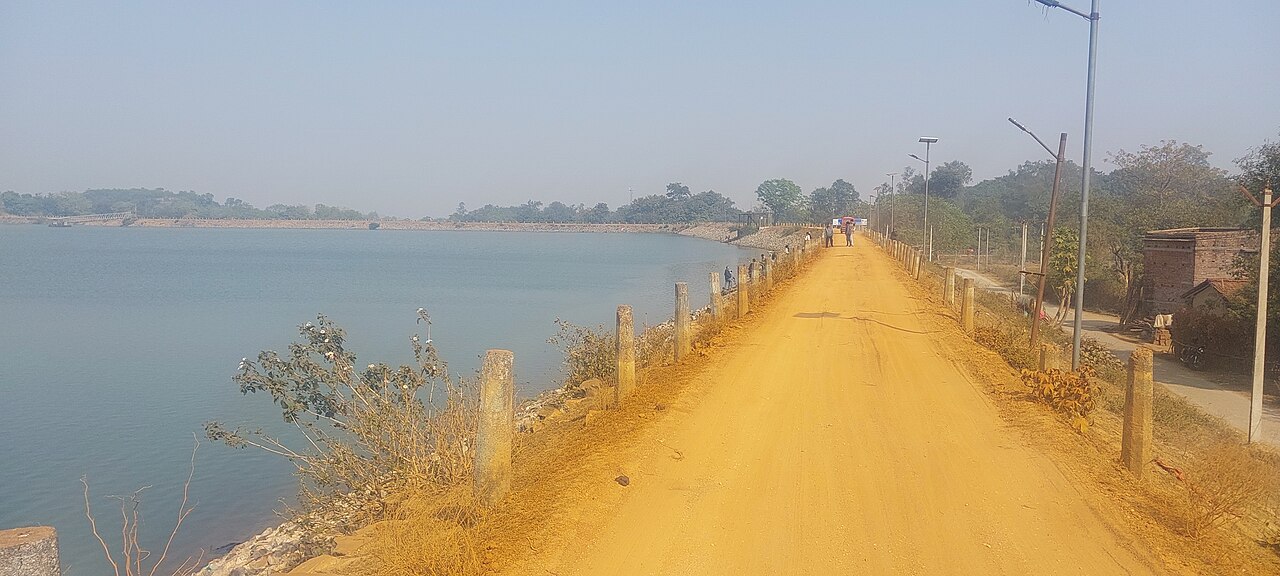

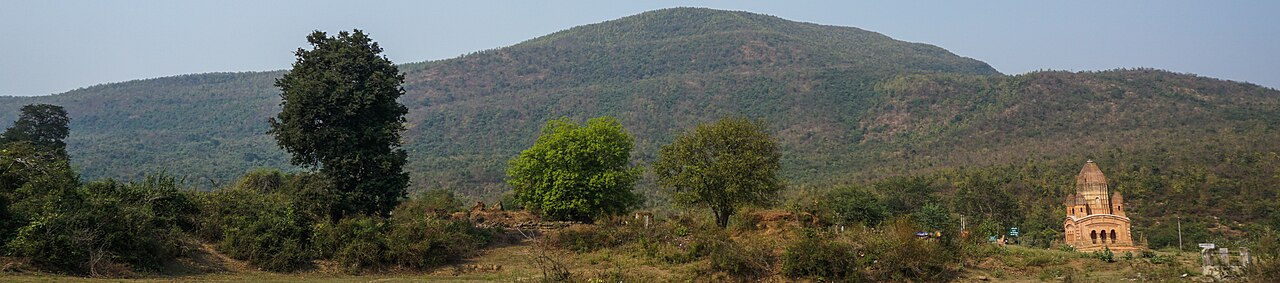
Garh Panchkot
Ruined temple and fort remains at the foot of Panchet Hill — a heritage site you walk through rather than queue for, with reservoir country close by.
- Time
- 1.5–3 hours
- Season
- Oct–Mar
- Group
- Children yes, seniors mostly
The Ajodhya plateau, seasonal falls, Chhau country and red earth.
Ordered as we would visit them. Filter these by time, effort and group.
Ruined temple and fort remains at the foot of Panchet Hill — a heritage site you walk through rather than queue for, with reservoir country close by.
The plateau that anchors most Purulia trips — waterfalls, dams and Chhau country within one arc.
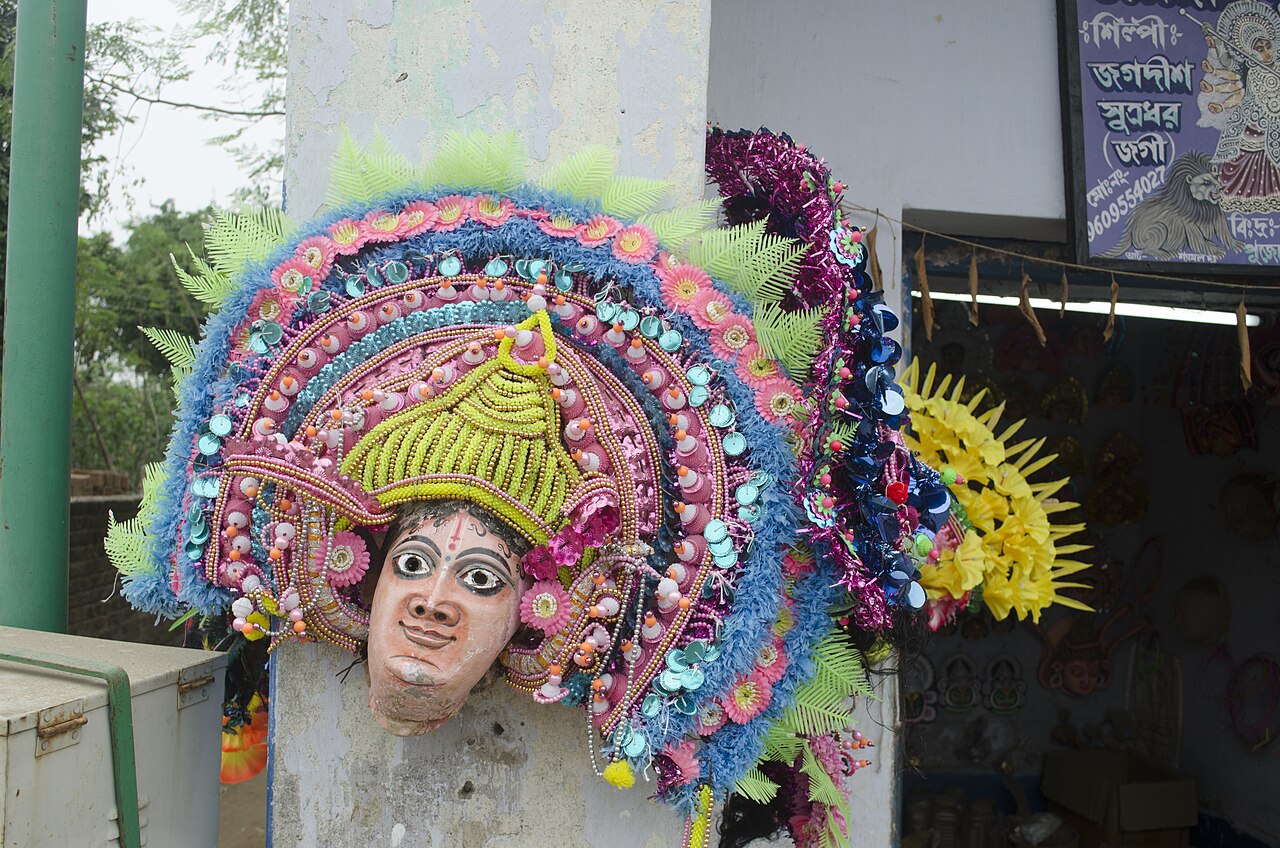
The mask-makers’ village of Purulia Chhau. Makers are rights-holders, not photo subjects — ask first.
A long stepped descent to the fall. Flow is seasonal and the rock is slippery — this is the hardest common stop in Purulia.
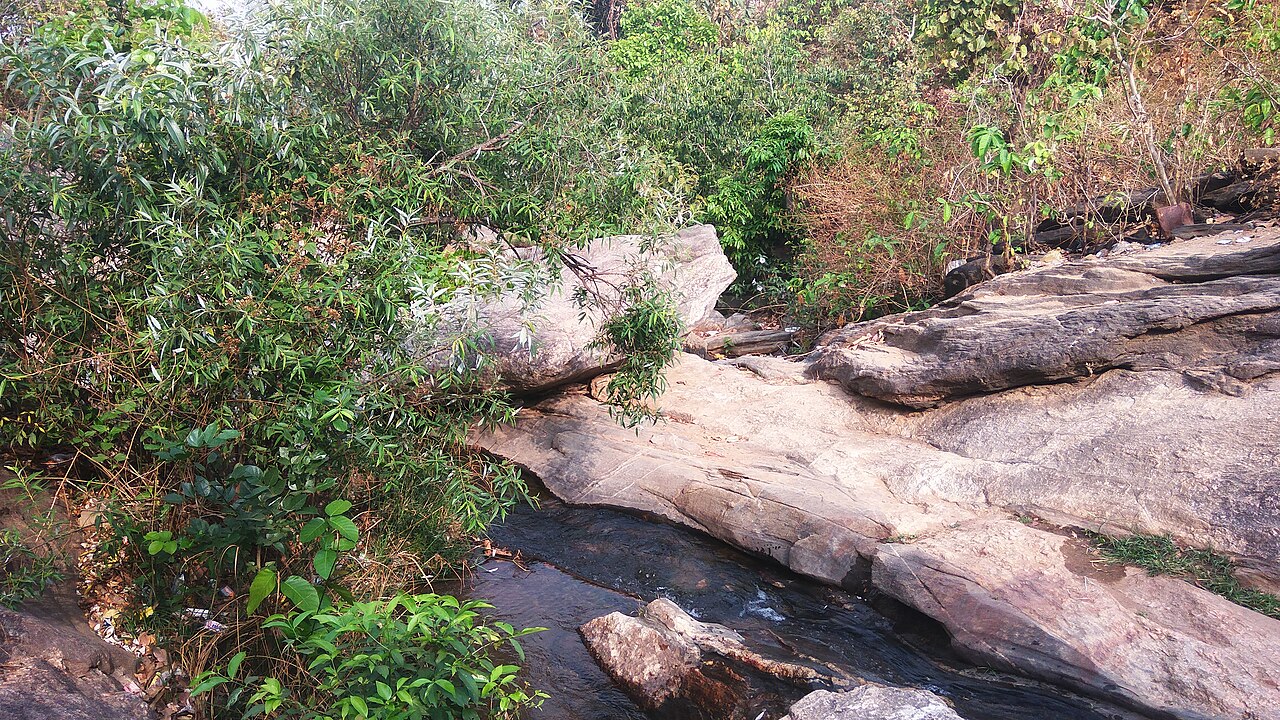
Seasonal fall near the Ajodhya road. Access and flow both need checking on the day.
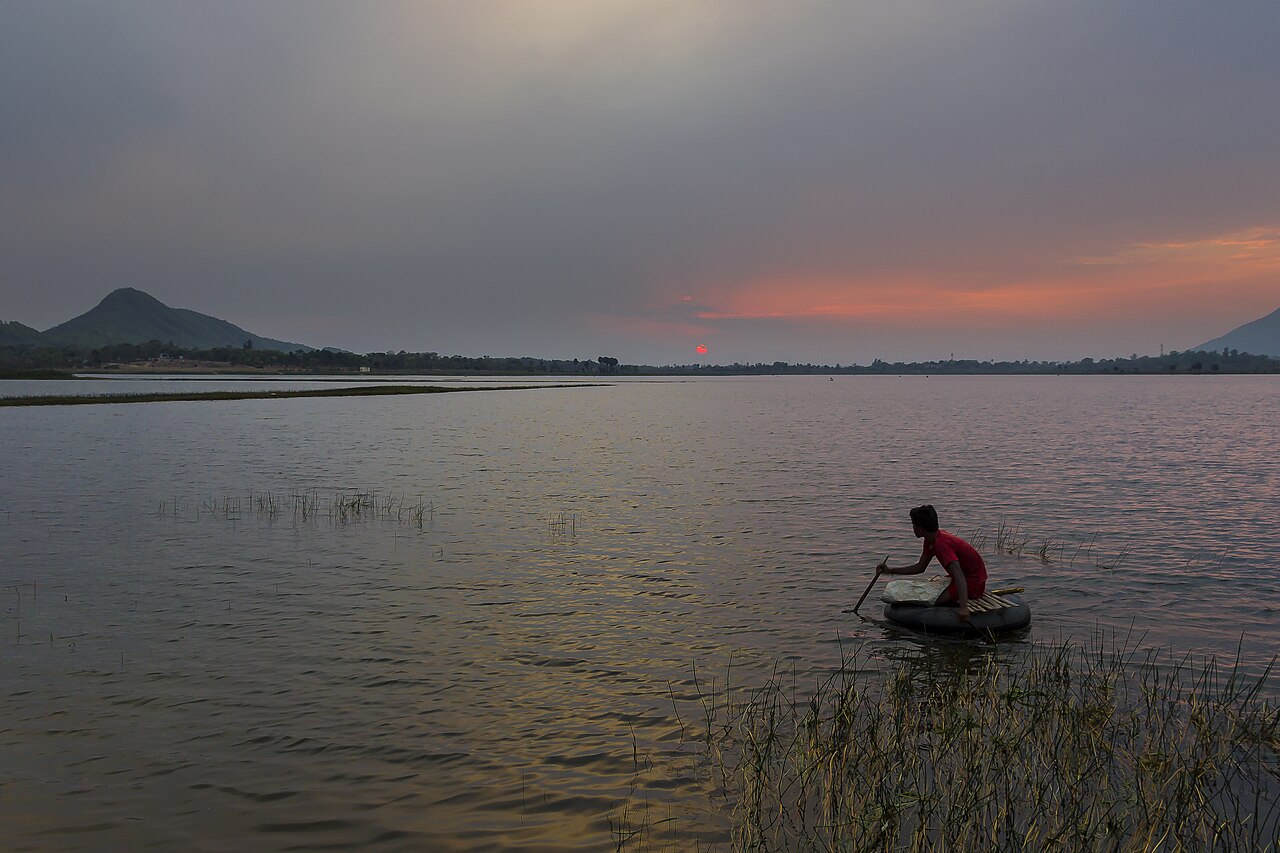
Small lake between two hills. The Palash belt in season, and the reliable sunset of this corner.
A stepped climb to a temple and a wide view over Raghunathpur country.
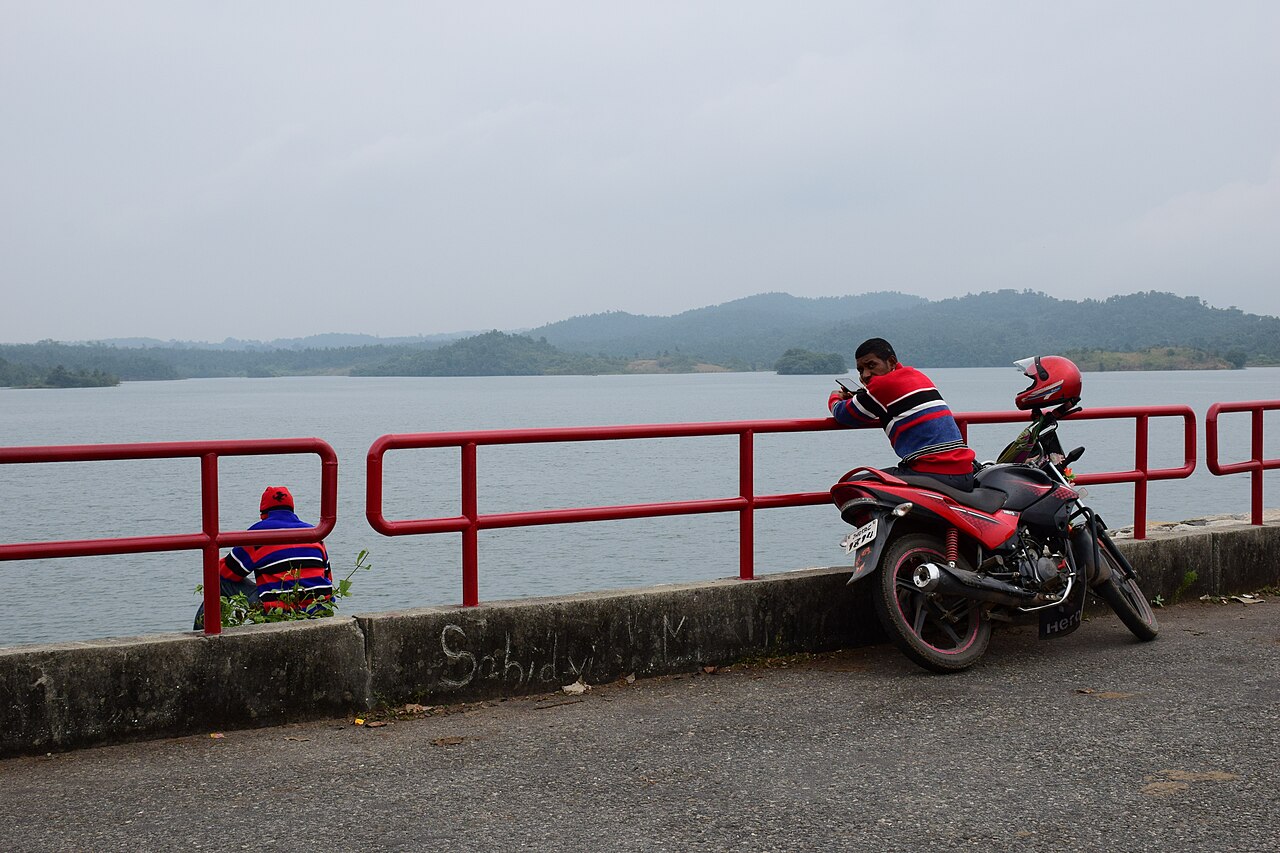
Dam water under the Ajodhya edge; quiet outside the Palash weeks.
Water and low hills on the western edge of the district. A stop for staying still.
A day or a half day, in a sensible order.
Masks, waterfalls and reservoir country, with one genuinely hard descent you can opt out of.
The flowering window moves every year, and it moves differently in Bankura and on the Ajodhya plateau. We record dates instead of promising weekends.
The district is at its greenest and its most awkward at the same time. A short guide to what still works when the rain arrives.
The mask village works to a performance calendar. Visiting in the making months tells you far more than visiting in the selling months.
Bamni and Turga are photographed in full flow and visited in trickle. Both are real. Knowing which you will get is the planning problem.
From November the dams across all three districts fill with water birds. You need less equipment and more patience than people expect.
Most itineraries here quietly assume a car. Here is what is genuinely reachable without one, and what is not.